# The Science of Heating Repairs: How Technicians Restore Comfort
Heating repair isn’t some magical process—it’s science.\ Technicians follow a systematic approach to bring your comfort back.
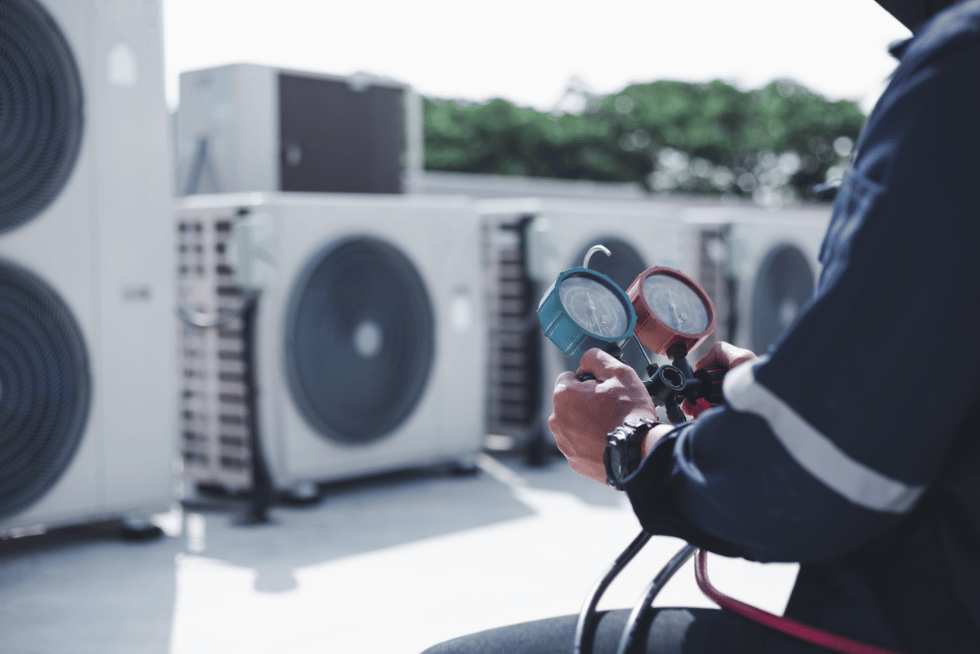
The Science of Heating Repairs: How Technicians Restore Comfort
Let’s get real for a second.
It’s freezing outside, and your heater decides to quit.
Now, you’re sitting there with a blanket, wondering:
What went wrong?
Can this be fixed?
How long is this going to take?
And… how much will it cost me?
You’re not alone.
When your heater gives up, it’s easy to feel overwhelmed.
But here’s the thing: Heating repair isn’t some magical process—it’s science.
Technicians follow a systematic approach to bring your comfort back.
And today, we’re breaking it all down for you.
What Actually Happens During a Heating Repair?
Most people think heating repair is just about swapping out parts or tweaking the thermostat.
But it’s much more than that.
It’s about understanding how your system works, diagnosing the issue, and applying the right fix.
Let’s look at the science behind it.
Step 1: Diagnosing the Problem
Before technicians can fix anything, they need to figure out what’s wrong.
Here’s how they do it:
1. Visual Inspection
They’ll check the heater for visible signs of damage, like burnt wires, cracks, or leaks.
2. Testing Components
Each part of the system—thermostat, blower motor, heat exchanger, etc.—is tested to see if it’s working correctly.
3. Checking Airflow
Poor airflow is often a sign of a clogged filter or blocked ductwork.
Technicians use specialized tools to measure airflow and pinpoint blockages.
4. Analyzing System Data
Modern heaters have diagnostic systems that show error codes.
These codes help technicians zero in on the issue faster.
Step 2: Applying the Fix
Once the problem is identified, it’s time to fix it.
Here’s where the science really kicks in.
1. Repairing Electrical Components
If there’s an issue with the wiring or circuit board, technicians use multimeters to test voltage and continuity.
They’ll repair or replace faulty components to restore power to the system.
2. Addressing Mechanical Failures
Worn-out parts like belts, bearings, or motors are replaced to ensure smooth operation.
Technicians use precision tools to install these parts correctly.
3. Adjusting the Thermostat
A mis calibrated thermostat can throw off the entire system.
Technicians reprogram or replace it to ensure accurate temperature control.
4. Cleaning and Maintenance
Dirt and debris are common culprits behind heating issues.
Cleaning components like filters, burners, and coils can make a huge difference.
Common Heating Repair Issues
Here’s a quick rundown of the most common problems technicians deal with—and how they fix them:
1. Dirty Air Filters
Problem: Restricted airflow, reduced efficiency.
Solution: Replace or clean the filter.
2. Pilot Light Problems
Problem: The pilot light won’t stay lit.
Solution: Clean the pilot or replace the thermocouple.
3. Broken Blower Motor
Problem: No airflow from the vents.
Solution: Repair or replace the motor.
4. Cracked Heat Exchanger
Problem: Carbon monoxide leaks (serious health risk).
Solution: Replace the heat exchanger.
5. Faulty Thermostat
Problem: Inconsistent temperatures.
Solution: Recalibrate or replace the thermostat.
Why Heating Repairs Matter
You might be wondering:
“Why not just wait until the system breaks completely and replace it?”
Here’s why:
1. Saves Money
Minor repairs are much cheaper than replacing the entire system.
Plus, a well-maintained system uses less energy, lowering your bills.
2. Prevents Bigger Issues
Small problems, like a clogged filter, can lead to major breakdowns if ignored.
Regular heating repair prevents these issues from escalating.
3. Keeps You Comfortable
No one wants to shiver through the winter.
Timely repairs ensure your home stays warm and cozy.
How Technicians Use Science to Improve Efficiency
Heating repair isn’t just about fixing problems.
It’s also about making your system work better.
Here’s how technicians optimize efficiency:
1. Sealing Ductwork
Leaky ducts can waste up to 30% of your system’s energy.
Technicians use special sealants to close these gaps.
2. Balancing the System
If some rooms are warmer than others, the system might be unbalanced.
Technicians adjust airflow to ensure even heating throughout your home.
3. Upgrading Components
Installing high-efficiency parts, like variable-speed motors, can improve performance.
4. Conducting Regular Maintenance
Regular tune-ups keep your system running smoothly and prevent energy waste.
FAQs About Heating Repairs
Q: How much does heating repair cost?
It depends on the issue. Minor repairs can cost as little as £50, while major repairs might run up to £1,500.
Q: How long does heating repair take?
Most repairs are done in 1–3 hours. Bigger jobs may take longer.
Q: Can I fix my heater myself?
Simple tasks like replacing a filter are fine, but leave complex repairs to the professionals.
Q: How often should I get my heater checked?
At least once a year. Regular maintenance can catch issues early and extend the life of your system.
Why Choose Olive Air and Heating LLC?
At the end of the day, you want a heating repair company you can trust.
Here’s why Olive Air and Heating LLC is your best choice:
Expert Technicians: We know heating systems inside and out.
Fast Service: We’ll get your heat back on ASAP.
Transparent Pricing: No hidden fees—ever.
Customer-First Approach: Your comfort is our priority.
Final Thoughts
Heating repair might seem intimidating, but it doesn’t have to be.
By understanding the process, you can make smarter decisions about your system.
And if you ever need help, you know who to call.
Olive Air and Heating LLC—where comfort meets expertise.
Don’t wait. Call now, book online, or message us today!